
Senior Dogs
Is My Dog Too Old for TPLO Surgery?
Reviewed by Dr. Margaret Wypart, Anesthesiologist · Sept. 2026
If your 10-, 12-, or even 15-year-old dog is otherwise in good health, TPLO surgery can be a reasonable option. Waiting is not always the safer choice it appears to be. Delaying a procedure like TPLO surgery in an otherwise healthy, older dog actually exposes them to prolonged rest, muscle wasting, and a much longer recovery.
As with any surgery, TPLO surgery does involve some risks. But for many dogs, this surgery offers a good opportunity to return to an active lifestyle.
How old is too old for TPLO surgery?
Older dogs often have many years ahead of them, and how you want them to live those years matters. Consider the quality of life your dog enjoyed before the knee injury. If they were active before the injury, enjoyed their walks, playing in a dog park, or trips to the beach, that’s a powerful incentive to consider surgery. Weighing against that evidence are other factors such as general health, heart health, weight, realistic expectations of surgery and your ability to support your dog during the recovery process.
Pet owners often don’t realize how much they know about their dog’s fitness for surgery. Whether the dog is active, whether it’s happy, whether it’s living a good life. No exam tells me that, which is why I find their insight invaluable.
What does an older dog need before TPLO surgery?
TPLO surgery does involve anesthesia, and your pet’s body needs to be healthy enough to withstand the demands of the surgical procedure.
Chronic conditions such as heart disease, liver disease, or diabetes don’t automatically rule out surgery, but if your dog has these conditions, they need to be well managed.
This is where a thorough medical screening process comes in. It answers the question whether your dog is fit for surgery and anesthesia. This includes medical history, physical exam, complete bloodwork, and x-rays of the chest. What else may be needed depends on the result of these tests.1 For example, the presence of a heart murmur does not rule out surgery on its own. But an echocardiogram or evaluation of your dog by a cardiologist may be the best next step. And sometimes getting a chronic condition better controlled is required before proceeding.
Ultimately, the decision to proceed with TPLO surgery always comes down to personalized criteria. Each dog is unique and requires an individual plan. Age can’t be ignored, but it is not the defining factor.2
My message to pet parents is that age alone should not prevent their dogs from having a surgery that can improve their quality of life. The field of anesthesia has advanced dramatically, allowing anesthesiologists to safely care for dogs well past their middle age.
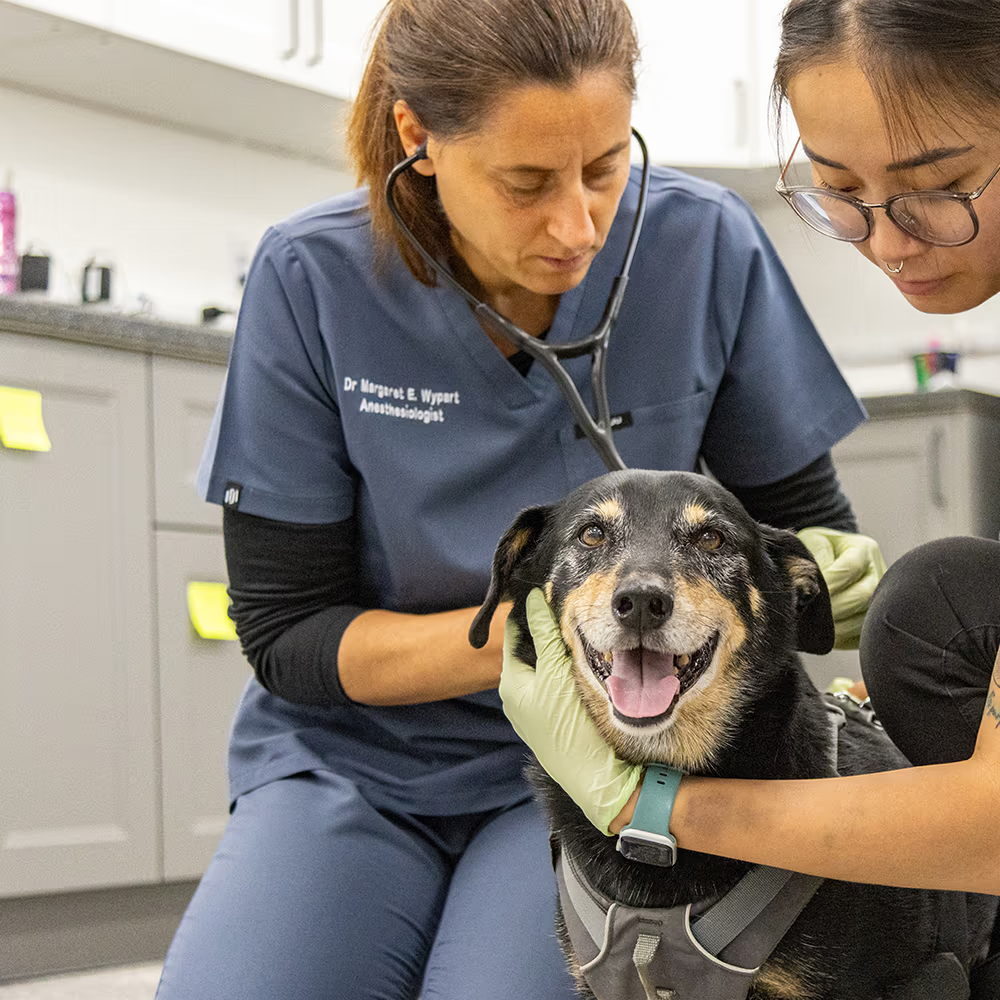
How an anesthesiologist helps
A board-certified veterinary anesthesiologist is a veterinarian who completed several extra years of advanced training focused just on anesthesia and pain control. Veterinary anesthesiologists specialize in anesthesia, just like the doctors who manage anesthesia for people. That expertise guides the decisions that matter most in an older patient:
- what type of anesthesia will be the most suitable,
- which medications should be avoided,
- how to provide pain relief while limiting side effects, and
- how to ensure prompt and safe recovery from the anesthesia.
You can talk to the anesthesiologist before your dog’s surgery. It gives you a better understanding of your dog’s anesthesia and what to expect afterward. Use that time to raise your concerns and get your questions answered.
Pain control and nerve blocks
Every TPLO surgery needs strong pain control. In an older dog, how pain relief is provided truly matters. The right approach not only helps prevent surgical pain but also makes anesthesia safer.
One way to stop the pain before it even starts is a nerve block. Using ultrasound, the anesthesiologist can find the correct nerve, guide the needle, and watch the local anesthetic, or numbing medication, spread around that nerve. For TPLO surgery, two or three nerve blocks are usually needed, depending on the individual dog’s anatomy, so that every nerve reaching the knee is covered. The blocks work through the surgery and stay active into the next day, which is why a dog often needs little or no additional pain medication the day after surgery.
For older dogs these nerve blocks do something more than control pain. They lower the dose of anesthetics needed to keep the dog asleep. This in turn keeps their blood pressure, heart rate, and breathing steady and their older heart and kidneys less affected. Using less anesthetic while controlling the pain with nerve blocks makes anesthesia much safer, especially in older dogs.
What you will see at home. The operated leg may be limp, weak, or knuckling over while the block is still working. This is expected and temporary. It wears off over the following day, and your dog begins placing the foot more normally.
Nerve blocks give so much better pain relief than any other method I have available. They are an important part of how I manage anesthesia for every TPLO patient. Optimal pain control is what can make the anesthesia and surgery go truly smoothly.
Surgery without hospital stay
With less invasive surgical techniques, gentler anesthesia, and nerve blocks to ease the pain, dogs can go home within a couple of hours of surgery. Even senior dogs can walk comfortably and go home within 2-3 hours after surgery to rest in the comfort of their own home.
How long does recovery take in an older dog?
Senior dogs tend to take a bit longer to recover from anesthesia, although the difference is only a day or two. A young dog is usually back to normal the next day. For an older dog it is typically 2-3 days before appetite and energy are fully back to normal.
Bone healing takes about the same time for older dogs and for TPLO surgery it is about 8 weeks. Strict rest and leash walks are necessary during this time to allow the bone to heal correctly. Muscle strength and joint movement take longer to rebuild, especially if your senior dog was already stiff or limping for weeks or months before surgery. That said, physical therapy really helps here and most of the exercises can be done at home.
Full details of the schedule, from the first night home through the last recheck, are in our TPLO recovery guide.
The bone heals just fine in older dogs, although some heal more slowly than younger dogs. The main problem is weakened muscles. We see it often at the 8‑week recheck: the bone is healing well, but the leg remains weak.
When TPLO may not be the right choice
Sometimes surgery is not the best path. A dog with severe uncontrolled medical disease, very limited mobility from another condition, or a quality-of-life concern unrelated to the knee may need a different plan.
In those cases, there are other alternatives, which may include pain management, physical therapy, joint injection, or custom orthotics.
Will my older dog wake up from the anesthesia?
The short answer: yes, although there is never a guarantee. Overall risk of anesthesia for a healthy senior dog is very small.
With the advancement of medical technology and gentler anesthesia methods, TPLO surgery is safer than ever. It is a much less stressful experience for the dog’s body than it once was. And it is not a major organ surgery like the ones on heart or liver, so the risks today are quite low for dogs of all age groups.
That said, TPLO surgery is not without risks. So have a detailed discussion about the risks and benefits of surgery with your dog’s surgeon. Go ahead with surgery only if the benefits outweigh the risks for your dog.
Oftentimes, pet owners want to delay a necessary surgery because they think, “They are too old, they won’t survive the anesthesia.” Modern anesthesia lets us tailor the drugs so precisely that the disadvantage of the untreated condition is often far greater than the risk of the anesthetic.
Talk to us about your dog
If your dog needs TPLO and you are worried about age or another medical condition, bring or send your dog’s medical records and recent test results. Our surgeon and anesthesiologist can review the concerns with you and explain whether further testing or treatment is needed before proceeding.
SurgiPet is a dedicated surgery and anesthesia center in Carlsbad, serving dogs from across San Diego County, Orange County, Temecula, and Murrieta.
Open 8am to 6pm, seven days a week.
After hours, request an appointment and we’ll contact you to confirm a time.
General educational information. Individual anesthetic risk assessment requires a medical history, examination and appropriate testing.
1 2020 AAHA Anesthesia and Monitoring Guidelines for Dogs and Cats. https://www.aaha.org/resources/2020-aaha-anesthesia-and-monitoring-guidelines-for-dogs-and-cats/
2 2023 AAHA Senior Care Guidelines for Dogs and Cats. https://www.aaha.org/resources/2023-aaha-senior-care-guidelines-for-dogs-and-cats/anesthetic-and-surgical-considerations/