
Carlsbad, California
Veterinary Orthopedic Surgery in San Diego County
Reviewed by Dr. Jaroslaw Wypart, Chief Surgeon · Oct. 2026
Veterinary orthopedic surgery treats injuries and conditions involving bones, joints, muscles, ligaments, and tendons. Some pets have a sudden injury. Others have a condition that has become worse over time.
We offer same-day or next-day care for both dogs and cats.
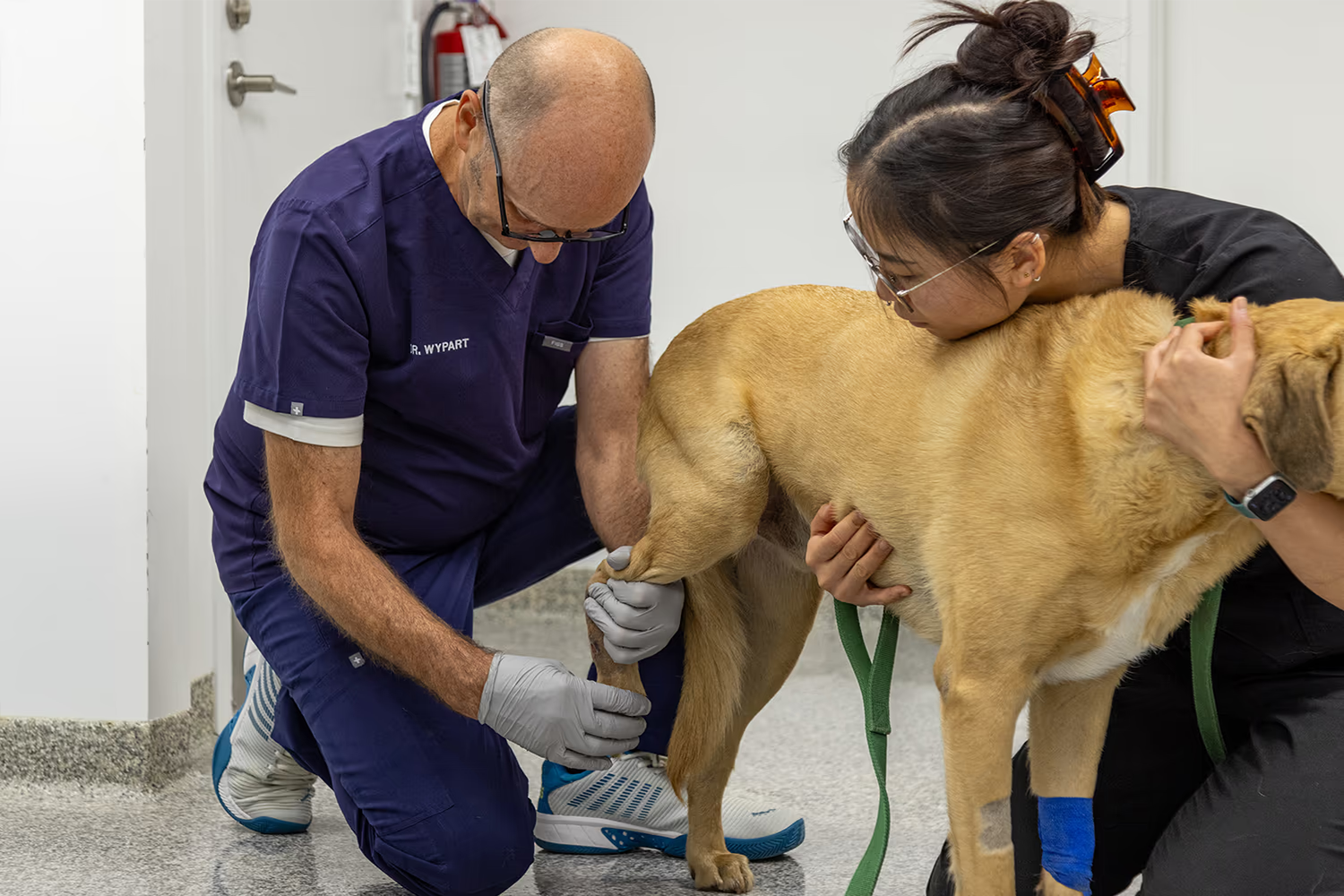
Common Problems We Evaluate
- A torn cranial cruciate ligament (CCL), often called a dog ACL tear
- A luxating patella, or kneecap that slips out of place
- Broken bones and traumatic joint injuries
- Elbow dysplasia
- Shoulder osteochondrosis dissecans, or OCD
- Hip disease, hip dislocation, and pelvic injuries
- Limb deformity and joint instability
Not every pet with one of these problems needs an operation. Our first job is to find the cause and decide whether surgery would give your pet a clear benefit.
The right question is not ‘does your pet need surgery?’ but ‘what is actually causing your pet’s discomfort, and what is the least intervention that will address it?’
Orthopedic Procedures at SurgiPet
No two knees are the same, so each TPLO is planned on the pet's own X-ray before surgery.
TPLO (tibial plateau leveling osteotomy) is the orthopedic procedure we perform most. It stabilizes a dog’s knee after a torn cranial cruciate ligament (CCL), also called a dog ACL tear.
In some cases, our orthopedic surgeon may also consider other surgical options, such as a tibial tuberosity advancement (TTA) or a lateral suture stabilization (LSS), or recommend medical treatment. The recommendation is always based on individual circumstances, considering things like your pet’s age, size, overall health, and the extent of the injury.
TPLO is my bread-and-butter surgery. But I don’t ever get bored of doing this surgery again and again. The more I do, the more nuance I see between one pet’s knee and the next. No two are the same. So my strategy will vary from one pet to another.
We do offer TPLO surgery for cats. CCL tears in cats are very uncommon so detailed examination is necessary to confirm the diagnosis.
A luxating patella can cause a skipping or hopping walk. The kneecap can slip out of its normal groove and this often results in lameness, inflammation, and discomfort. MPL surgery (medial patellar luxation surgery) places the kneecap back into a stable position and corrects the shape of the knee when needed.
A broken bone must be returned to the correct position and held securely while it heals.
Depending on the injury, fracture repair may use plates, screws, pins, wires, or other types of fixation. Live X-ray imaging may be used during surgery to check the bone alignment and implant placement.
Elbow dysplasia is a common cause of front-leg limping in young dogs.
Arthroscopy allows the surgeon to examine and treat the inside of the elbow through very small openings (keyhole surgery). It may be used to remove damaged cartilage or bone fragments and address other sources of joint pain.
Shoulder OCD can cause pain, stiffness, and front-leg limping, often in young, large-breed dogs.
Arthroscopy provides a clear view inside the shoulder and allows abnormal cartilage to be treated through a minimally invasive approach.
SurgiPet also evaluates selected hip problems, hip dislocations, pelvic injuries, unstable joints, and limb deformities.
Procedures may include femoral head and neck ostectomy (FHO), triple pelvic osteotomy (TPO), and surgical stabilization of a dislocated hip.
Minimally Invasive Orthopedic Surgery
Minimally invasive surgery is the preferred surgical approach for many orthopedic conditions, including evaluation of the knee joint during TPLO surgery, elbow and shoulder joints evaluation, or fracture repair.
Arthroscopic Joint Evaluation and Surgery
During arthroscopy a 4K camera and special small instruments are placed inside the joint through small incisions. The camera gives the surgeon a magnified, detailed view of the joint on a large screen so even the tiniest injury can be found. Special instruments can then be used to treat the joint.
In my experience, arthroscopy is so beneficial to my patients. Just like the average person wouldn’t trade their smartphone for a flip phone, there are hundreds of surgeons like me who are not going back to older, more invasive way of looking inside a dog’s or cat’s knee.
Minimally Invasive Fracture Repair
Minimally invasive fracture repair is performed through small incisions to decrease the overall “trauma” to the area of the break and to protect the local skin and muscles to a much greater extent. This often leads to faster bone healing and quicker recovery.
Two Doctors Care for Your Pet During Surgery
Each doctor has one clear responsibility during your pet’s procedure. The surgeon focuses on the operation. The anesthesiologist focuses on anesthesia safety, monitoring, comfort, and recovery.
This is the same standard of care you’d receive in a human hospital.
Dr. Jaroslaw Wypart is SurgiPet’s founder and chief surgeon. He has more than 20 years of experience in orthopedic and soft-tissue surgery and performs more than 250 TPLO procedures each year.
Dr. Wypart personally handles each surgical consultation. You will have the opportunity to ask questions before deciding whether to proceed.

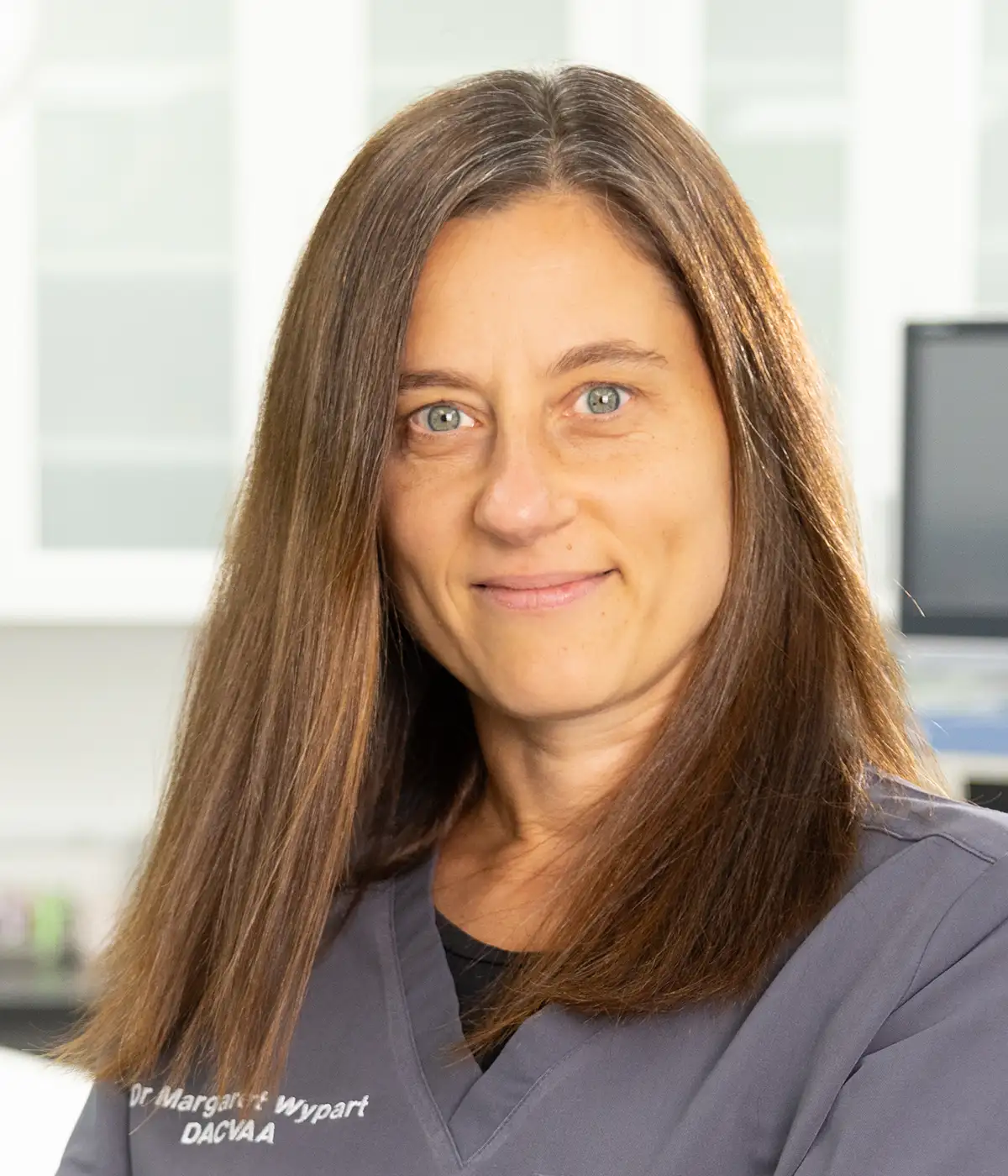
Every surgical patient is evaluated by Dr. Margaret Wypart, a board-certified veterinary anesthesiologist.
She develops the anesthesia and pain-control plan, manages the anesthetic, and performs nerve blocks when appropriate.

Equipment for Advanced Orthopedic Care
Our surgery center is equipped for both open and minimally invasive orthopedic procedures.
- 4K arthroscopy for a clear, enlarged view inside a joint
- C-arm fluoroscopy for live X-ray guidance
- Titanium plates and screws for bone repair
- Ultrasound guidance for regional nerve blocks
- Bone graft material to improve bone healing
- Computed tomography (CT or CAT scan) for surgical planning
The equipment used depends on the injury and the procedure being performed.
What Happens at an Orthopedic Consultation?
The surgeon will ask you about your pet’s general health, past health conditions, and any other general conditions such as diabetes, kidney disease, hypertension, or seizures, because these issues may influence the treatment option that the surgeon provides.
You will discuss any and all pain symptoms that you may have noticed, how often they happen, and if you think your pet is getting worse or better.
Also, be sure to discuss previous injuries or existing conditions that could be having an effect on this orthopedic condition like a previous broken bone, unexplained limping, or episodes of pain.
You should leave the consultation with clear answers to four questions:
- What is causing the problem?
- Does my pet need surgery?
- Which treatment option is recommended?
- What will the cost, timing, and recovery involve?
I want pet owners to understand the diagnostic process, their pet’s own unique problem, the available treatment choices, and the recovery process.
If surgery is recommended, you leave with a flat-fee quote that covers the procedure and follow-up care. For most pets the consultation and surgery can take place on the same day.
Proceeding with surgery is always your decision.
Recovery and Follow-Up Care
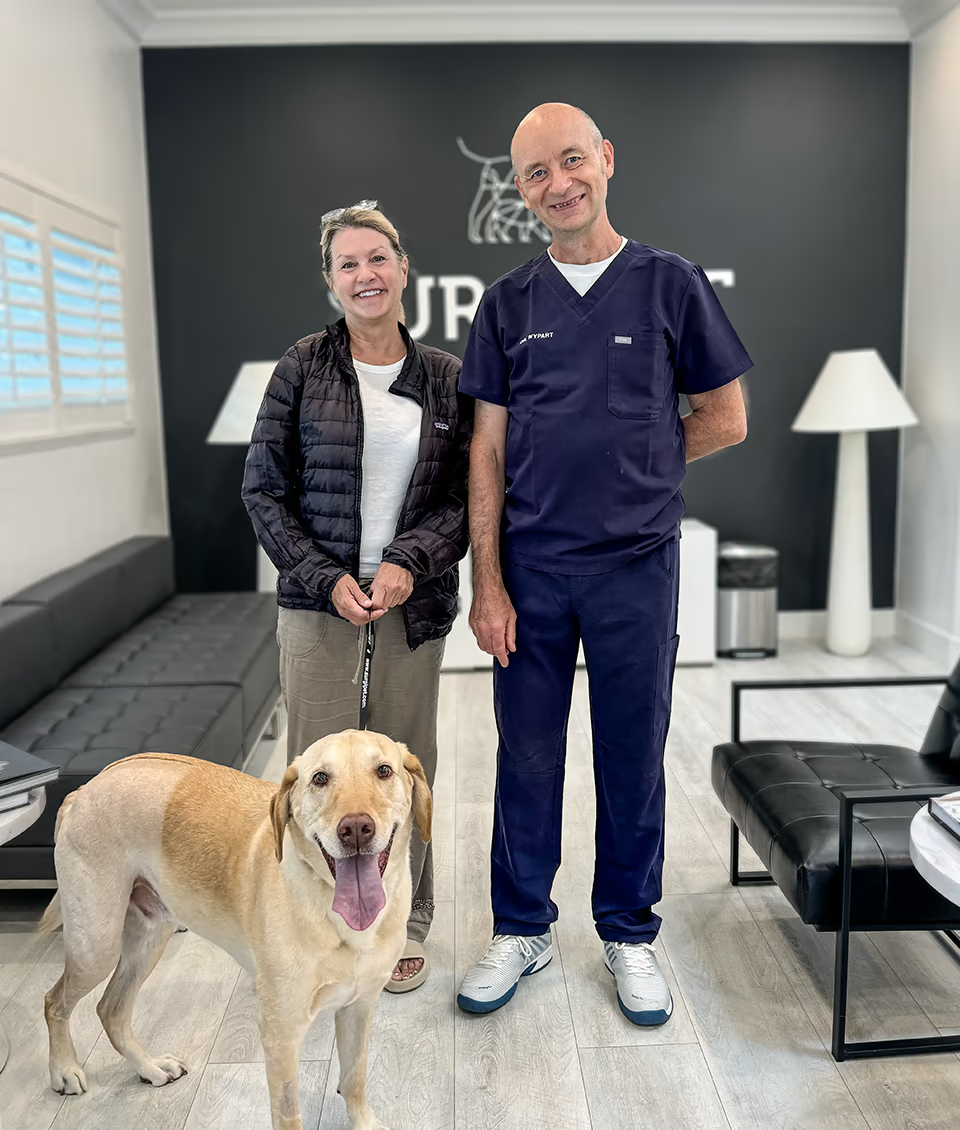
Most orthopedic patients can walk comfortably and go home within 2-3 hours after surgery to rest in the comfort of their own home.
Our orthopedic surgery packages include scheduled recheck examinations and healing X-rays for four months. Sedation for follow-up X-rays is included if it is needed.
Have Questions? We’re Here to Help!

No. Many conditions respond to physical therapy, injections or other nonsurgical care. The consultation helps us find the cause and decide if surgery is truly necessary.
Yes. SurgiPet provides orthopedic surgery for both dogs and cats.
Cats may need surgery for fractures, hip injuries, joint instability, or, less commonly, a cruciate ligament tear.
You may contact SurgiPet directly to schedule a consultation.
Medical records and imaging from your regular veterinarian are helpful and should be sent to us before the appointment.
Often, yes. We offer same-day or next-day care for conditions like torn CCL, hip dislocation, and broken bones (fracture repair).
We can evaluate your pet’s medical records prior to the appointment to make sure same-day surgery is medically appropriate.
No. SurgiPet is a surgery-only veterinary facility that performs both orthopedic and soft-tissue procedures.
This page focuses specifically on our orthopedic services.
Yes. All surgical consultations are by appointment.
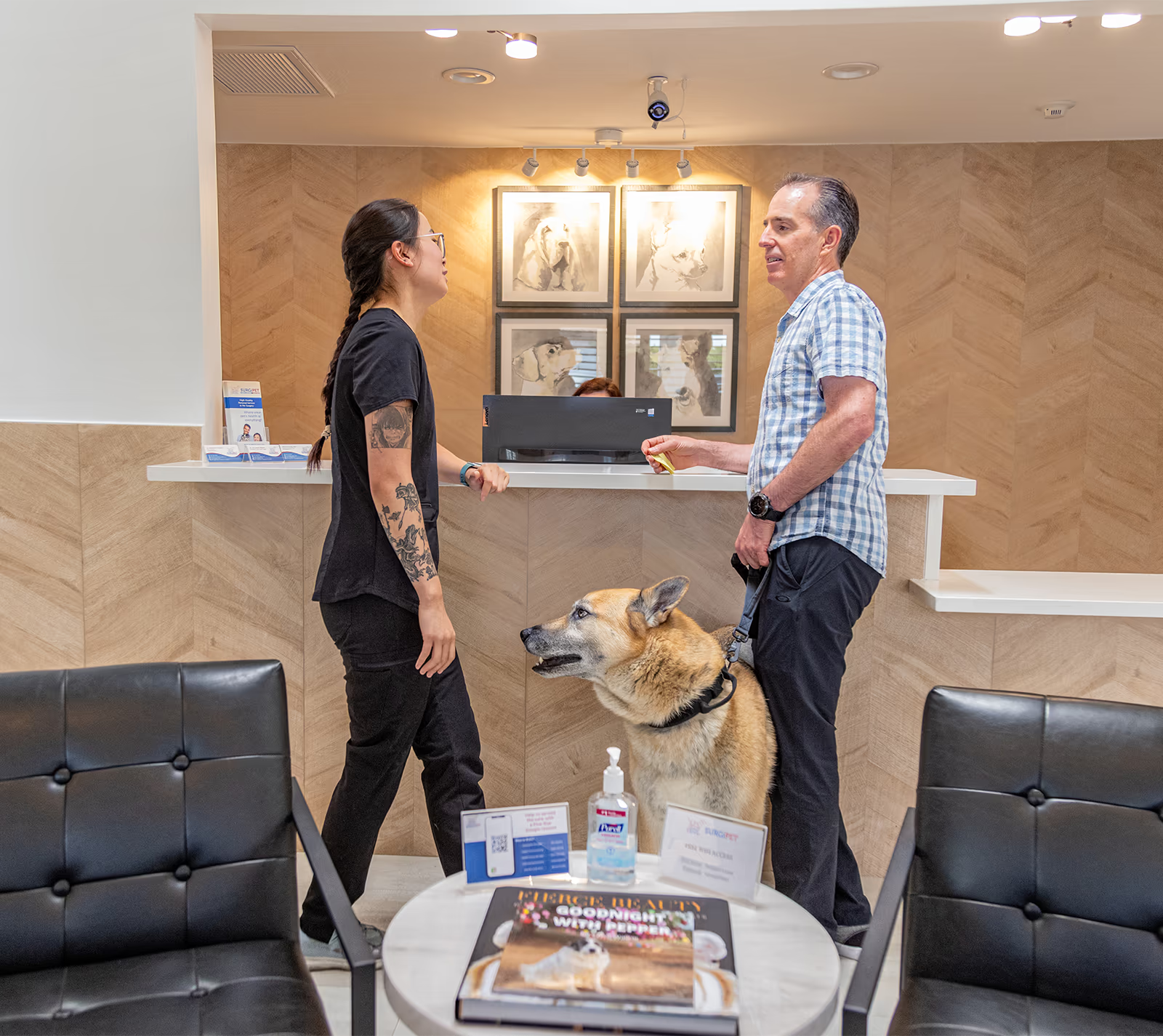
Schedule a Veterinary Orthopedic Consultation
SurgiPet provides veterinary orthopedic surgery for dogs and cats in Carlsbad and serves pet owners from across San Diego County, Orange County, Temecula, and Murrieta.
Send us your pet’s records and X-rays if they are available, or call our team to discuss the next step.
Surgical consultations are by appointment.
Available by phone: Monday-Sunday, 8am to 6pm. Consultations by appointment only.
After hours, request an appointment and we’ll contact you to confirm a time.