
Over 1000 successful TPLO surgeries performed
Expert TPLO Surgery for Dogs
Complete care with guidance and full support - so you feel confident in your dog’s recovery every step of the way.
Reviewed by Dr. Jaroslaw Wypart, Chief Surgeon · Sept. 2026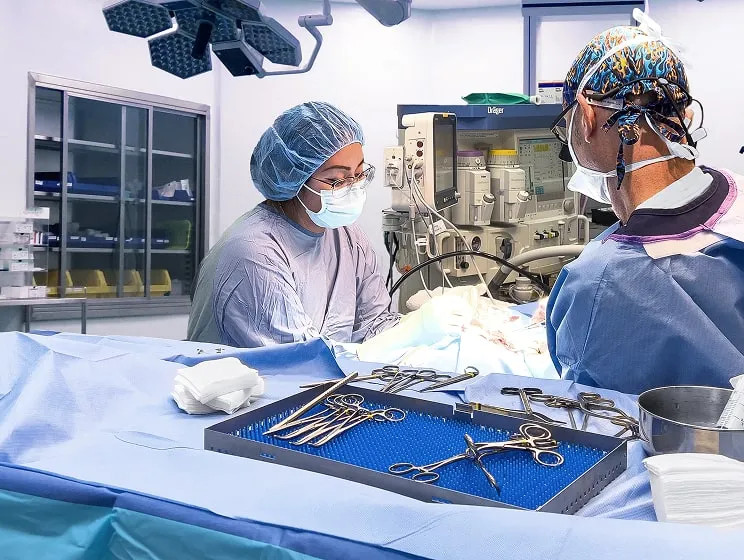
TPLO surgery has a high success rate
Over 90% of dogs regain full function of the knee. The pain and limping resolve and they return to all pre-surgery activities.

Understanding TPLO Surgery
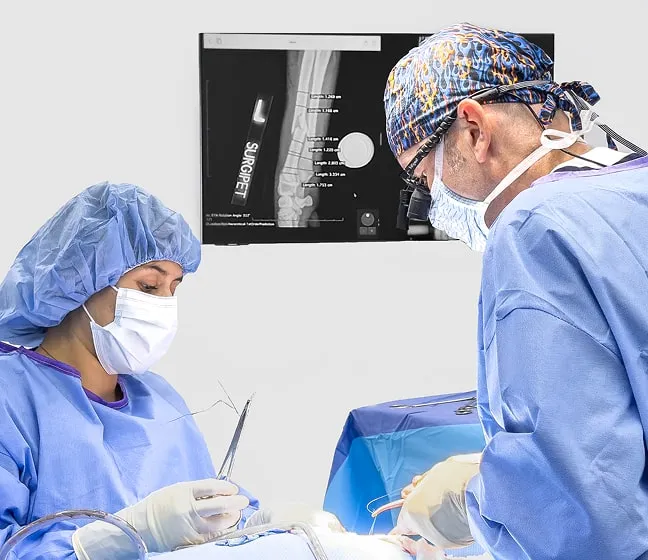
TPLO (Tibial Plateau Leveling Osteotomy) surgery is a specialized orthopedic procedure designed to treat cranial cruciate ligament (CCL) injuries in dogs.
This advanced procedure stabilizes your dog’s knee joint, so they can walk comfortably again and get back to running, playing, and enjoying their favorite activities.
 Restores mobility and reduces pain.
- Fast recovery as compared to other treatments.
- Proven success for active and senior dogs alike.
Over 1000 successful TPLO surgeries performed
TPLO Surgery Experts
TPLO is the most common surgery performed at SurgiPet. It is a preferred treatment for dogs who have torn or injured the anterior cruciate ligament (ACL), also called the CCL ligament of the knee. TPLO surgery is not an emergency surgery. However, we recommend performing TPLO surgery within days of injury to avoid muscle weakness.
The all-inclusive package fee for TPLO surgery at SurgiPet covers everything from the initial consultation to post-surgical rechecks and x-rays and offers 30-40% savings compared to large veterinary hospitals' charges.

Your Pet’s TPLO Surgery Journey
Initial Consultation
We don’t rush - each consultation includes a full history, a careful hands-on exam of your dog, and time to talk through your goals, concerns, and what matters most to you.
Surgery Day
Experience counts! Our surgeon performed over 1000 successful TPLO surgeries throughout his professional career. With that experience, your dog is in the best hands.
Going Home
Your pet will go home comfortable, fully recovered from anesthesia, and able to walk. You will receive printed instructions, and dedicated post-operative support is available 7 days a week-including weekends.
Providing peace of mind and comfort
What to Expect After TPLO Surgery
Most pets recover their mobility within days and return to their favorite activities within a few months. With proper care, your dog can enjoy a long, active, and pain-free life.
Tips for Recovery:
✔ Follow all activity and exercise restrictions closely.
✔ Return for scheduled rechecks - they’re covered in the surgery fee.
✔ Contact us with any concerns - the surgeon is just a phone call away.

The Safest pet anesthesia. For Every Pet. In Every way.
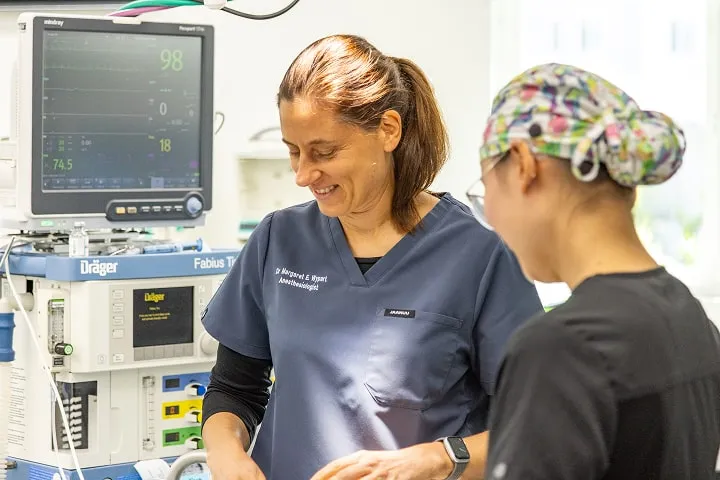
Ensure your pet’s safety with expert anesthesia care tailored to their specific needs, managed by a board-certified veterinary anesthesiologist.
Meet the Dedicated Team Behind Our Success
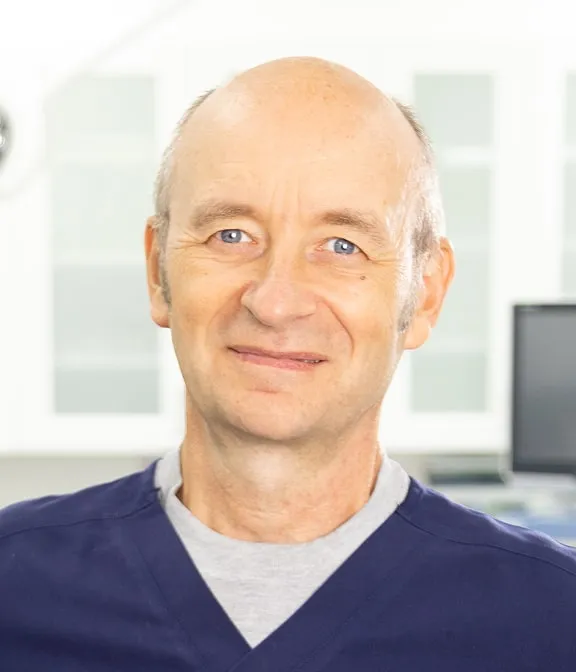
Dr. Wypart, our founder and chief surgeon, has over 20 years of experience and performs over 250 TPLO surgeries a year.
He handles each surgical consultation personally and walks pet owners through what he found, what the options are, and what he would do.
Dr. Wypart is a veterinary surgeon with more than two decades of experience in orthopedic and soft tissue surgery. He earned his veterinary degree at the Warsaw University of Life Sciences and completed postgraduate certification in small animal surgery at the Faculty of Veterinary Medicine, Wroclaw University of Environmental and Life Sciences, in 2004. He received ECFVG certification in 2006 and is licensed to practice in California. His clinical work spans Europe and North America.
Since relocating to San Diego in 2012, his caseload has centered on the stifle, elbow, and shoulder. That includes TPLO for cranial cruciate ligament disease, patellar luxation correction, arthroscopy of the stifle, elbow, and shoulder, and repair of complex fractures including pelvic and femoral trauma. He also performs oncologic and reconstructive soft tissue surgery and treats feline as well as canine patients.
He is a member of the Veterinary Orthopedic Society and the American Veterinary Medical Association. His continuing education stays current with the field, with advanced training in knee surgery, including TPLO and patellar luxation procedures, joint arthroscopy, orthopedic trauma, fracture repair, and reconstructive surgery.
Dr. Wypart founded SurgiPet to give San Diego and North County a dedicated surgery and anesthesia center, with a board-certified veterinary anesthesiologist on every case.
Outside of surgery, Dr. Wypart tends his vegetable garden, tries new soup recipes, and hikes to Potato Chip Rock.
2026
Principles of Deformity Correction: Pelvic Limb
AOVET
2026
Comprehensive Elbow and Shoulder Forum
Arthrex
2025
Stifle Evolutions
Arthrex
2025
Mastering Canine Pelvic and Femur Traumatology
Arthrex
2025
Principles of Oncological Surgery of the Skin and Reconstruction Techniques
Nexus Veterinary Continuing Education
2024
Elbow and Stifle Joint Arthroscopy
Colorado State University College of Veterinary Medicine and Biomedical Sciences
2023
Advanced Fracture Repair
Viticus Group
2022
Patellar Groove Replacement (PGR)
Kyon
2022
Pelvic Fracture, Hip Dislocation and Sacroiliac Luxation Repair
Nexus Veterinary Continuing Education
2020
Feline Medicine and Surgery Update
International Veterinary Seminars
2019
Advanced Tibial Plateau Leveling Osteotomy (TPLO)
Intrauma
2017
Advanced Techniques in Small Animal Fracture Management
AOVET
2016
Comprehensive Surgical Management of Stifle Disease
Viticus Group
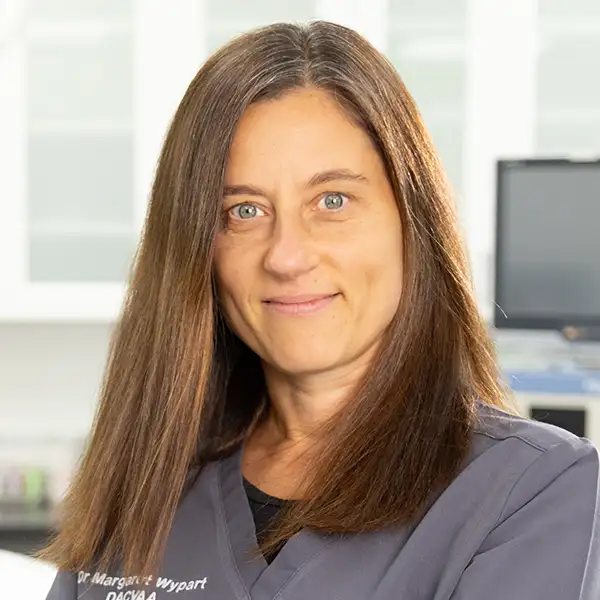
Dr. Margaret Wypart, our co-founder and medical director, is one of a few veterinary anesthesia specialists in California. She personally evaluates your pet’s health, designs a customized anesthesia plan, and ensures they wake up comfortably - just like an anesthesiologist does for people in a hospital.
Dr. Margaret Wypart, DACVAA, is the Medical Director and co-founder of SurgiPet. After veterinary school, she spent three additional years at the University of Pennsylvania's highly respected residency program, focusing exclusively on mastering anesthesia and pain management. This specialized training means she's an expert at keeping pets safe and pain-free during surgery—customizing anesthesia for each individual patient based on their age, health status, and the specific procedure they're having. Whether it's a healthy young dog or a senior pet with underlying health concerns, Dr. Margaret Wypart has the expertise to provide the safest anesthesia possible.
One of only a few board-certified veterinary anesthesiologists practicing in San Diego County, she specializes in ultrasound-guided nerve blocks to minimize discomfort and reduce reliance on systemic medications—allowing pets to wake up more smoothly and return home the same day. Her approach follows the principles of Enhanced Recovery After Surgery (ERAS), emphasizing proactive pain control, early mobility, and rapid return to function.
Outside of work, Dr. Wypart enjoys hiking, skiing, and photography.
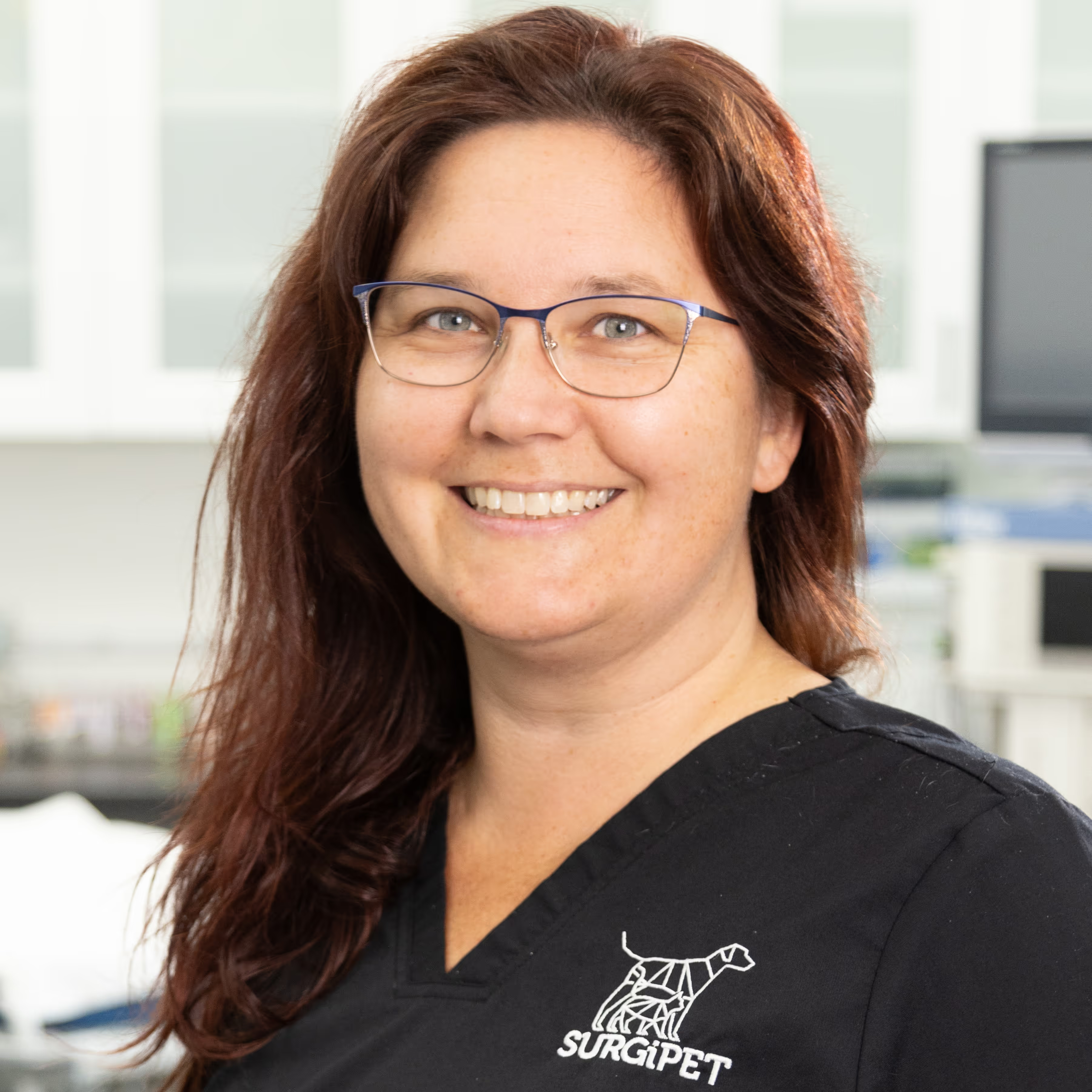
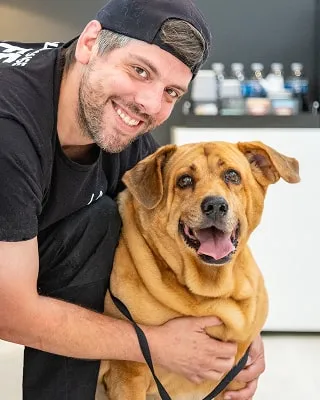
Amber has over two decades of experience as a Registered Veterinary Technician. One of her greatest joys is mentoring and training newer staff, sharing the passion for veterinary care that has driven her throughout her career.
Amber is a Registered Veterinary Technician and our Nursing Director, bringing more than 20 years of experience in veterinary medicine to our team. Most of Amber’s career has been spent in emergency and intensive care, where she developed strong skills in critical patient management, anesthesia, and team leadership. For the past two years, she has brought that expertise to our surgical center, where she focuses on ensuring a smooth experience for patients from admission through recovery and supporting our team in providing exceptional surgical nursing care.
Amber is passionate about creating a positive, collaborative environment for both her team and our clients. She believes that every patient deserves individualized, compassionate care and takes pride in building trust with the families who bring their pets to us. She also enjoys mentoring veterinary professionals and helping others grow within the field.
Outside of work, Amber loves spending time with her family and many pets, traveling in their RV, and curling up with a good book.
Avoid the Guessing Game!
Let SurgiPet Doctors Tell You if Surgery is Necessary




Ready to Give Your Pet the Best Care?
Schedule a consultation today and see why thousands of pet owners choose us.

37 sec
Book in Just Minutes
Simple and hassle-free scheduling for your convenience.
Have Questions? We’re Here to Help!

TPLO is our core focus at SurgiPet; Dr. Wypart performs 250+ TPLOs each year. You’ll meet directly with him at your consultation and every follow-up.
Every patient is supervised by an anesthesia specialist, so two doctors are always caring for your dog: the surgeon performing the TPLO and the anesthesia specialist focused on safe anesthesia, just like in human hospitals.
We use a pain-free approach to surgery, using ultrasound to locate the nerves and place numbing medicine before surgery starts. This blocks pain before your dog ever feels it—like unplugging a phone before it rings.
After surgery, support is available 7 days a week. Your surgeon is always just a phone call away during recovery. Call 760-290-8390 or schedule a surgery consultation to learn more.
- It stabilizes the knee joint in a very efficient, optimal manner
- It offers faster recovery compared to other surgical treatments
- It has a well-documented and proven high success rate of above 90%
- It is considered a gold standard treatment in all but the smallest dogs
- It gives the best prospect of your pet’s return to high performance
- It helps to slow down the progression of arthritis, improving long-term outcome
TPLO surgery is not emergency surgery. However, it is best to perform TPLO surgery within days of injury to avoid muscle weakness. Following an ACL injury, your dog will tend to favor the injured leg.
This will fairly quickly cause the thigh muscles to get weaker and smaller because they’re not being used as much as they should be.
Following TPLO surgery, the weak muscles often slow down healing and recovery and make it harder for the dog to return to full mobility and agility. Therefore, it is important to schedule the surgery promptly.
If your dog is older, read 'Is my dog too old for TPLO surgery?' to learn why age alone does not settle the decision.
A successful recovery will return your dog’s leg to full function. Statistically, following TPLO surgery, over 90% of the dogs regain regular or near-regular leg use. In the remaining 10% of dogs, concurrent arthritis in the other joints or advanced knee arthritis affects leg function.
However, these dogs still benefit from the surgery as it helps restore the knee’s function and alleviates pain. Similarly, TPLO surgery frequently improves comfort and mobility in dogs that were previously operated on using another technique.
Yes. TPLO is an excellent option for small dogs with a torn ACL, and our experience shows that small dogs do very well with it.
That said, performing TPLO on small dogs requires specialized implants and instruments that not every surgical center carries. At SurgiPet, we're fully equipped for this. Our mini TPLO plates fit even the smallest patients, and if you choose arthroscopy for your pet, we use the Nanoscope, a needle-sized arthroscope, to carefully evaluate the knee joint for meniscal injury without risking damage to delicate cartilage.
Because we have the right tools and experience for dogs of every size, TPLO is our preferred approach for both small and large patients alike.
The first part of the surgery is evaluation of the knee joint. An open approach (arthrotomy) can be used, or if you choose so- a minimally invasive arthroscopy, a technique that allows the surgeon to see the entire inside of the knee joint through a small incision.
This provides a clear, magnified view and allows for evaluation of the CCL ligament and both menisci - two cushion-like structures inside the knee. If a meniscus is torn, arthroscopy enables removal of the damaged tissue with minimal disruption to the rest of the joint.
The second part of the procedure involves making a specialized cut in the top of the tibia. A titanium plate and screws are used to hold the bone in its new position, restoring function and preventing further injury to the joint.
TPLO surgery recovery is generally fast. About half of the dogs will start cautiously walking on the operated leg within 48 hours after the surgery. Five days after the surgery, most dogs will put some weight on the operated leg. By 2 weeks, the amount of weight placed on the leg notably increases.
Eight weeks following TPLO surgery, recheck x-rays are taken to assess bone healing. At this time, most dogs have mild to no limping, so easy exercise in the form of lead walks is started and gradually increased each week.
Four months after surgery, most exercise restrictions can be removed. Regular working tasks (tracking, agility, search & rescue, etc.) can begin 5 months after TPLO surgery.
More detailed information about recovery can be found in our TPLO Recovery Week by Week.
At SurgiPet, TPLO is priced as a flat-fee package that includes nearly everything your dog needs for surgery and follow-up care, so you know your costs up front.
What’s included in the flat fee:
- All consultations with the surgeon
- Anesthesia managed by a doctor who specializes only in anesthesia and pain control — the same type of specialist who runs anesthesia in human hospitals
- Advanced nerve block technique to start pain control before surgery begins
- Operating room and surgeon’s fee
- All standard surgical supplies used during your dog’s procedure
- Pain medication, sedatives, antibiotics, and anti-nausea meds for the first 2 weeks
- Support sling to help your dog walk during early recovery
- All recheck exams and X-rays for 4 months (sedation included if needed)
- Pre-op bloodwork and chest X-rays (if needed)
- High-strength titanium implants (plates and screws), the same type of metal used in human surgery
Not included: medications beyond two weeks (sedatives), surgical complications, physical therapy, or rechecks beyond 4 months.
TPLO surgery pricing at SurgiPet (2026):
- Dogs under 90 lb (41 kg): $4,950
- Dogs 90–120 lb (41–55 kg): $5,350
- Dogs over 120 lb (over 55 kg): $6,350
You’ll meet with both the surgeon and anesthesiologist in person to review the plan and ask any final questions. Your dog’s surgery is performed in a dedicated orthopedic OR with a C-arm imaging to guide implant placement. If you choose arthroscopy, we use Arthrex's 4K SynergyUHD4™ arthroscopy system for exceptional joint visualization.
An anesthesiologist monitors your pet throughout, using advanced equipment and multimodal pain control. After surgery, your pet recovers in a quiet area under direct supervision. Most dogs are ready to go home by the evening - fully awake, comfortable, and sent home with meds, a support sling, and clear, personalized care instructions.